
Start with
your material.
Every material raises a different question. Choose the work closest to yours to see how a crushing circuit is typically built, and which crushers suit each stage.
Quarry and aggregates
From blasted rock to graded aggregate.
Aggregate production starts with the rock and the sizes the market needs. A typical circuit reduces run-of-quarry feed in a jaw or primary impactor, then refines it in cone crushers before screening into consistent, specification-ready fractions.
Tell us the rock type, feed size and the fractions you need to produce.
Discuss your application
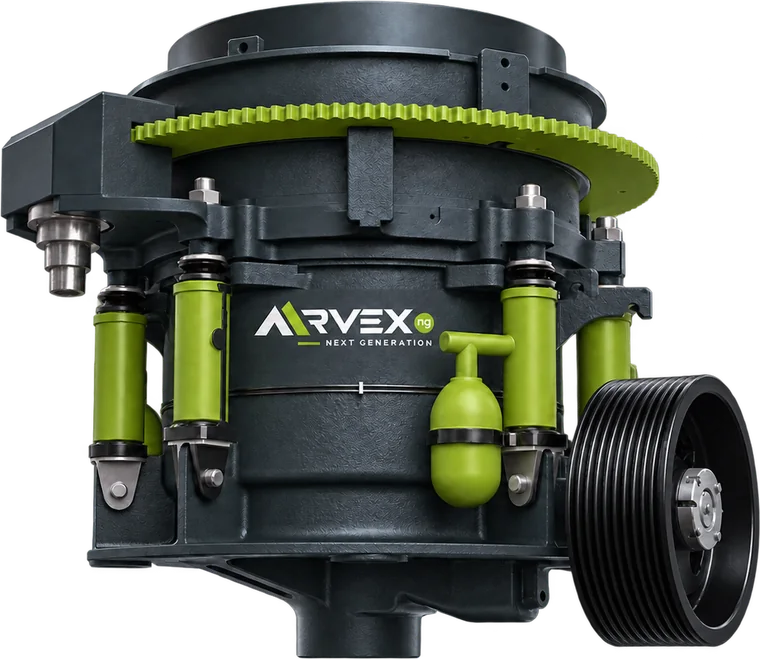
Mining and mineral ores
Reduction for hard, abrasive ore.
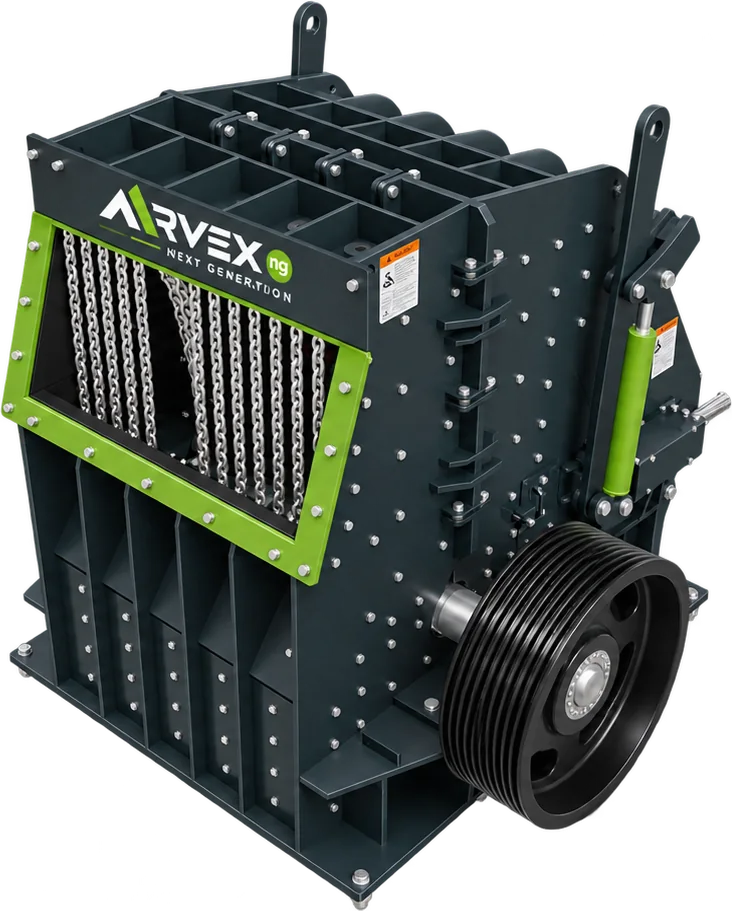
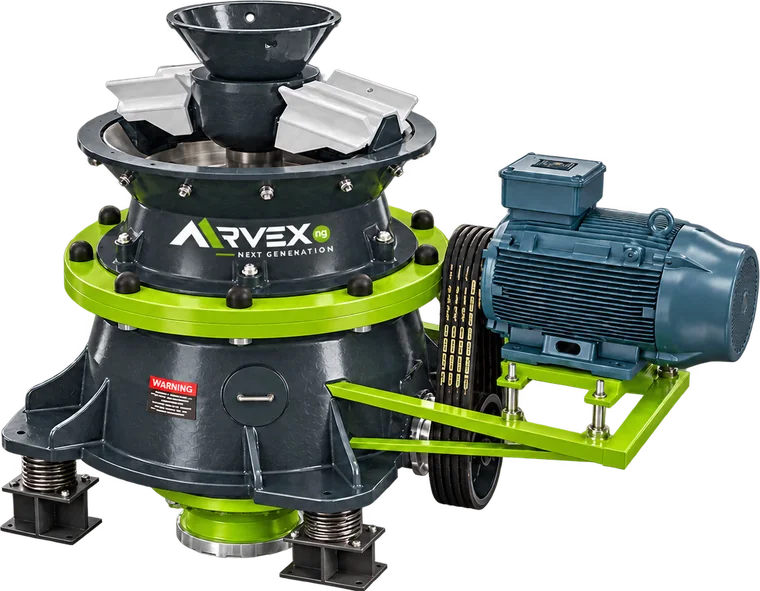
Ore processing asks for reliable primary reduction and controlled secondary and tertiary stages ahead of downstream separation. Heavy-duty jaw and cone crushers are built for hard, abrasive material and long operating hours.
Share the ore, its hardness and abrasiveness, and the product size your process requires.
Discuss your application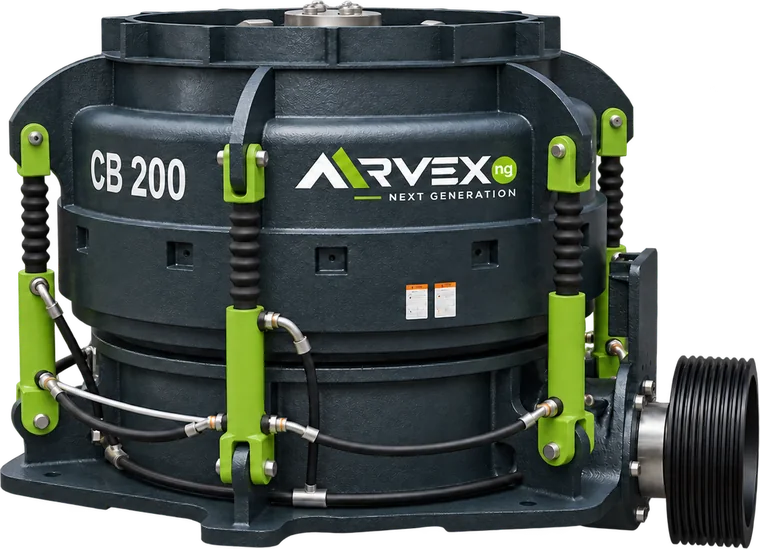
Manufactured sand
Shape and grading you can specify.
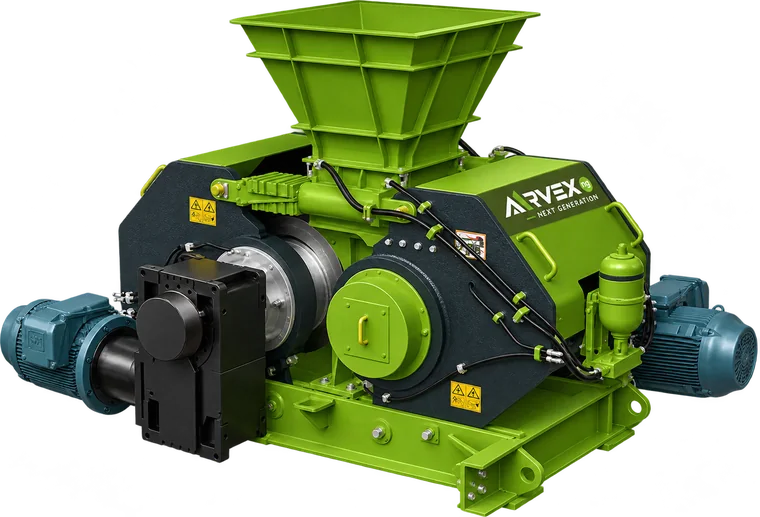
Manufactured sand depends on particle shape and a consistent grading. Rock-on-rock impact in a vertical shaft impactor and inter-particle crushing between high-pressure rolls both produce the fine, cubical product that concrete and asphalt producers require.
Tell us the feed material and the sand specification you are working to.
Discuss your application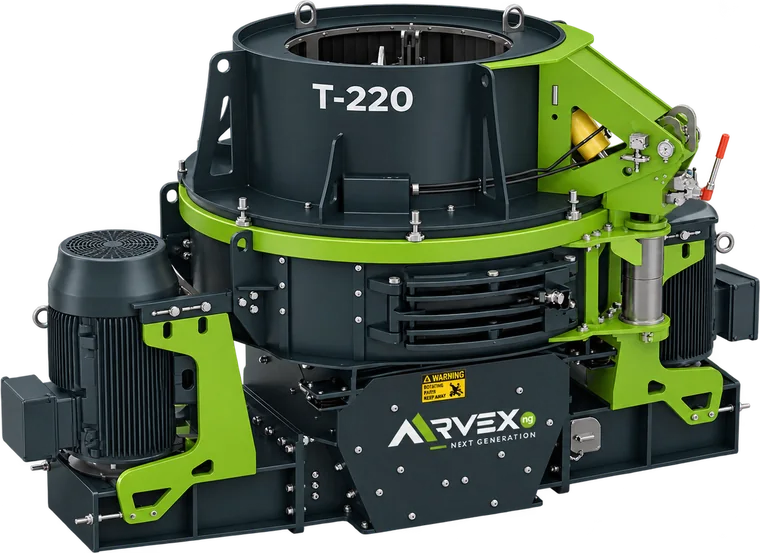
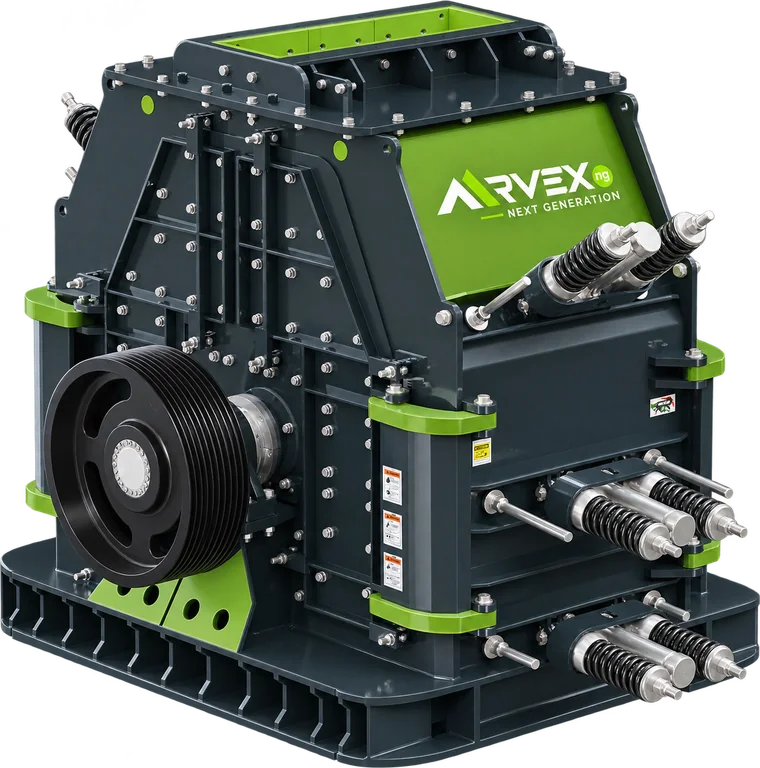
Construction and demolition recycling
Turn demolition waste into a resource.
Recovered concrete, masonry and asphalt can return to construction as recycled aggregate. Impact crushers break mixed and variable feed along natural fracture lines and give the cubical shape that recycled products need.
Describe the incoming material, how variable it is and the recovered product you want.
Discuss your application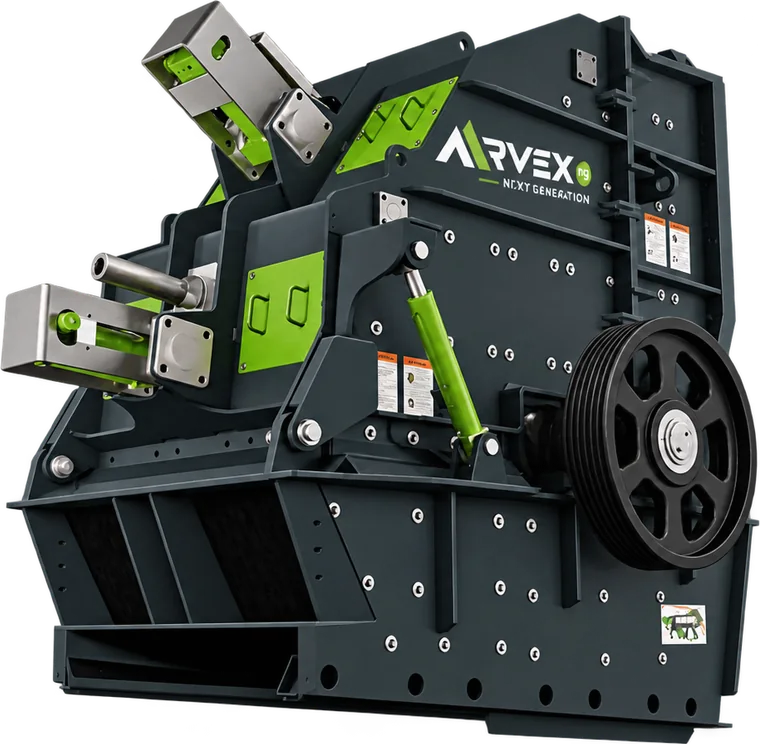
Asphalt and concrete
Cubical aggregate for binding mixes.
Asphalt and concrete mixes perform best with well-shaped, cleanly graded aggregate. Tertiary impactors, vertical shaft impactors and roll crushers finish the product to the shape and grading the mix design calls for.
Share your mix design requirements, feed characteristics and target gradation.
Discuss your applicationNot sure where
to start?
Describe the material, its variability and the product you need. We will propose the stages and the equipment that fit.
Describe your material